By Webmaster
•
September 25, 2026
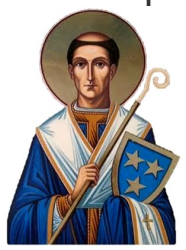
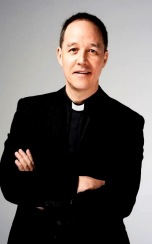
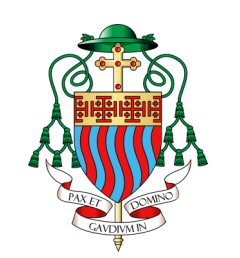
The musings of one of God’s smallest creatures on events in and around the Parish over the past seven days . . . . We are now eagerly looking forward to the ordination of Fr Stephen Wang as the sixth bishop of Arundel & Brighton. The ordination will take place at Arundel Cathedral on Monday 19th October (the feast of our patron St Philip Howard). We look forward to working with him in the mission of proclaiming the Gospel. No doubt his ‘in-tray’ is going to be rather full to begin with, but we can expect, in due course, to his thoughts on the priorities for the Diocese and in particular on the Pastoral Plan. Also at more or less the same time Fr Charles Howell will be leaving the area to undertake a sabbatical. Our Diocesan Administrator (Canon Jonathan Martin) has explained to us that there is no plan for a priest to be appointed to Effingham and Fetcham and that the Deanery Clergy will need to work out together how pastoral provision should be offered to these communities, and indeed all the communities in the area. Although we have not yet been formally re-constituted as one single parish, served by all the priests together, we have been encouraged to think and plan in this way. This is what is meant by the concept, rooted in Canon Law, that the clergy serve in solidum. Simply put, this means that all the priests are individually and collectively responsible for the pastoral life of all, working with our deacons and lay faithful. The clergy together become the Parish Priest, or perhaps better put, the parish priests. The benefit of working together in this way is that it promotes an approach that builds collaboration and support, and where the gifts and talents of each are offered in service to the whole area. This willingness to think across the board has been evident in the discussions that the clergy have been having in the past three months about pastoral provision and the generous sense that we, and the people in our communities, should share the impact of change. As thoughts about Sunday (including Saturday vigils) Mass timings began, it seemed both sensible and wise to acknowledge that, at some point in the not-too-distant future, some of our priests will be moving into a well-earned retirement (though no dates have yet been mentioned). The clergy’s task, then, was to draft a schedule of Masses for the area that was capable of being served by eight priests (it is hoped that there will continue to be retired priests able to offer supply on occasion but this cannot be relied upon). Finally, rather than make the changes piecemeal - some this Autumn, and then more in the next couple of years - it was decided that the whole schedule should be worked now. The new Sunday schedule (due to commence on the first weekend of Advent this year 5/6 December) will be announced next weekend.